From Curb to Cozy: Making Street Finds Safe to Love

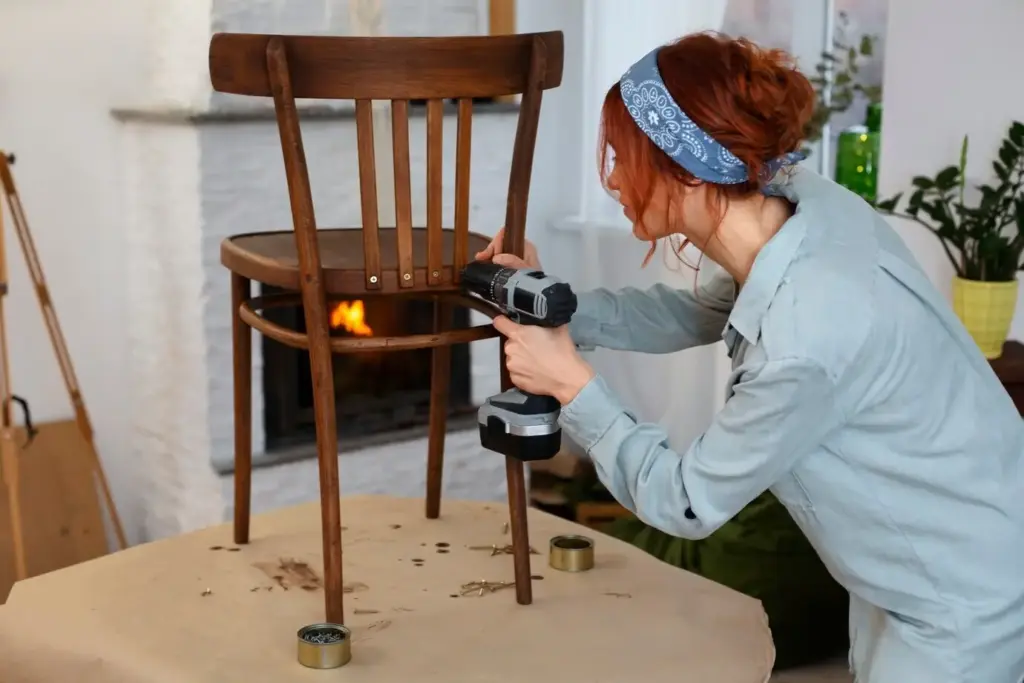
Today we explore sanitizing and pest-proofing curbside finds before they enter your home, guiding you from first glance to final placement. Learn fast triage, material-specific cleaning, proven pest controls, safe transport, and smart quarantine steps. With stories from experienced thrifters and research-backed methods, you’ll protect your family, pets, and belongings while transforming cast-offs into clean, trustworthy treasures that truly belong in your space.

Quick Curbside Triage That Puts Safety First

Street-Side Assessment Checklist

Scan for warping, swollen edges, moldy smells, frass (fine sawdust from wood-boring insects), droppings, or live insects. Look under drawers, along joints, and behind back panels. Note whether finishes are flaking or sticky, which can trap grime. Evaluate whether components easily disassemble for cleaning and whether you have the tools, space, and time to treat thoroughly before crossing your threshold.

What Not to Bring Home

Be extremely cautious with mattresses, plush upholstery, and items showing clear water damage or extensive particleboard swelling, as they often harbor hidden pests or irreversible contamination. Avoid anything with a strong, sweet musty odor, severe delamination, or suspicious stains. If children’s furniture lacks safety labels or has unknown recalls, leave it. Saving effort and risk now protects your home, budget, and energy later.

Transport Without Trailing Contamination
Wrap items in contractor bags or plastic sheeting and tape seams before loading. Keep finds isolated in the trunk rather than the passenger area. Bring disposable gloves, paper towels, and a dedicated brush to knock off loose debris. Once home, unload directly to an outdoor workspace, garage, or balcony. Avoid hallways and living rooms. Immediately discard coverings into sealed trash to prevent hitchhikers from slipping free.

Hidden Hazards You Can’t See But Should Expect

Street finds may carry residues, allergens, or bugs that hide under rails, inside screw holes, or beneath veneer overhangs. Expect the unexpected and you’ll treat more effectively. Build a habit of assuming contamination until proven otherwise, then neutralize risk with the right order: containment, cleaning, disinfection where appropriate, and pest treatment. This mindset reduces cross-contamination, helps you choose the safest method for each material, and preserves your home’s peace.

Pathogens and Residues

Dirt and oils shield microorganisms, so clean first, disinfect second. Use warm water and detergent to lift grime, then apply an EPA-registered disinfectant or 70% isopropyl alcohol on compatible surfaces, respecting labeled contact times. Avoid mixing chemicals, especially bleach and ammonia. For food-contact items, rinse after disinfection as directed. When in doubt, prioritize soap-and-water cleaning plus thorough drying over harsh products that might damage finishes or leave unsafe residues.

Pests Most Likely to Hitch a Ride

Bed bugs hide in screw heads, seams, and narrow channels; roaches squeeze into motor housings and corrugations; carpet beetles and pantry moths deposit eggs in sheltered fibers; powderpost beetles leave frass in wood. Learn the signs: tiny black specks, translucent shed skins, pinholes, and sweet or acrid odors. Use a flashlight and magnifier. Suspicion warrants quarantine and targeted treatment before any indoor debut, no matter how beautiful the piece appears.

Preventing Cross-Contamination Before Treatment

Contain finds in sealed bags or plastic-wrapped bundles. Set up a dedicated cleaning zone with a drop cloth, disposable wipes, and labeled bins. Keep pets and kids away. Wear gloves and change them between steps. Keep your tools isolated and disinfected. Move in one direction from dirty to clean. Finish by double-bagging debris, vacuuming with a HEPA filter, and washing hands thoroughly before returning to living areas.

Deep Cleaning by Material: Methods That Work

Different materials demand different approaches to avoid damage while ensuring genuine cleanliness. The right detergent, contact time, and drying method can preserve patina without preserving grime. Break items down where possible, expose hidden surfaces, and label hardware for later reassembly. Favor gentle agents first, escalate only when needed, and always allow complete drying before any pest treatment, finish repair, or sealing step to ensure long-term success and durability.
Degrease with warm water and a mild detergent, then disinfect compatible surfaces using 70% alcohol or an EPA-registered spray, ensuring full coverage and proper dwell time. Rinse food-contact items. Avoid abrasive pads that scratch plastic or enamel, which can harbor residue. Dry completely to prevent corrosion. For light rust, use a rust eraser or fine steel wool, then protect with a suitable wax or corrosion inhibitor before reassembly and indoor placement.
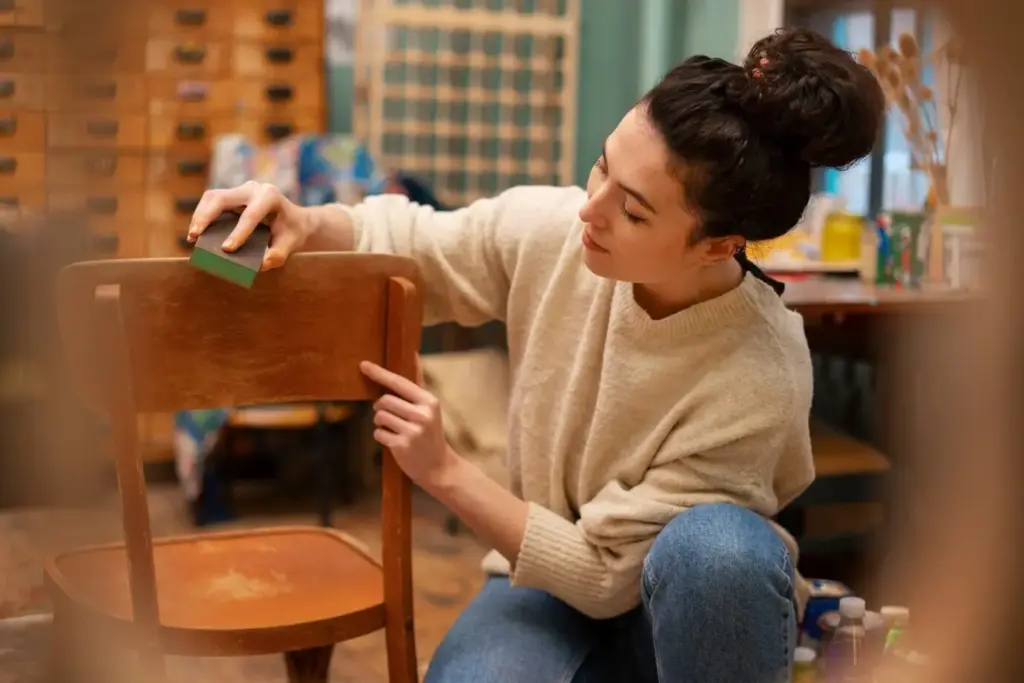
Begin with vacuuming crevices using a brush attachment. Clean with a gentle wood-safe solution, avoiding excess moisture on veneered or particleboard surfaces. If you suspect wood-boring insects, consider a borate-based treatment on raw or sanded areas following label directions. Let wood dry thoroughly between passes. Stabilize loose veneer with wood glue, clamp carefully, and fill cracks to remove hiding spots. Finish only after inspections show no fresh frass or activity.
Soft goods carry elevated risk. When salvageable, wash removable fabrics hot with detergent and dry on high heat for extended cycles. Steam seams carefully, maintaining slow passes to ensure lethal temperatures. Be cautious with foam that traps moisture; allow prolonged drying. Avoid bringing bulky upholstery indoors unless professionally heat-treated. When uncertain, prioritize safety and skip pieces that cannot be fully disassembled, laundered, or reliably heated throughout their core.

Proven Pest Controls Without Guesswork

Treat pests methodically, combining inspection, environmental controls, and legal, label-guided products. Heat and steam often outperform chemicals for immediate kill on accessible surfaces, while borates and desiccants provide longer-term protection in cracks. Avoid unproven hacks and inconsistent sunlight methods. Document what you try and for how long. When infestations seem advanced or identification is unclear, consult a licensed professional before risking a wider household problem that costs more to solve later.

Seal, Restore, and Block Future Invaders

Quarantine, Monitor, and Celebrate the Save

Place the item in a garage, enclosed porch, or dedicated corner with hard floors. Use interceptor cups, sticky monitors, and a white sheet beneath to reveal debris or movement. Limit contact with textiles. Re-inspect after forty-eight hours, then weekly. Keep a simple log of notes and photos so you can spot trends quickly. This calm, systematic pause prevents surprises from reaching bedrooms, closets, and soft furnishings.
Look for fresh frass, new pinholes, shed skins, live insects, or unexplained bites. Check seams, undersides, and hidden cavities with a flashlight. If nothing appears after two to three weeks of monitoring, confidence rises. For high-risk items, extend to four weeks. Any suspicious finding warrants repeating treatments or consulting a professional. Let data guide your decision rather than impatience, and you’ll protect both your find and your household.
Tell us what you rescued and which methods worked best. Comment with photos, ask questions, or swap tips about heat, steam, and sealing tricks. Subscribe for checklists and seasonal reminders. Your story could prevent someone else’s bad surprise and inspire a responsible save. Together, we keep useful objects in circulation while keeping pests and grime out of homes that deserve comfort, cleanliness, and confidence every single day.
Nepotukavomime
Privacy Overview

This website uses cookies so that we can provide you with the best user experience possible. Cookie information is stored in your browser and performs functions such as recognising you when you return to our website and helping our team to understand which sections of the website you find most interesting and useful.