Revive Your Seats: Materials That Survive Real Life

In busy homes, patience wears thin when cushions sag or stains linger. Today we dig into choosing durable fabrics and foam for rescued seating in busy households, so thrifted chairs and sofas withstand kids, pets, guests, and everyday messes. Expect practical tests, material clues, sourcing tips, and repair stories that transform castoffs into dependable favorites you’ll proudly use for years. Share your hurdles in the comments and subscribe for upcoming guides featuring reader makeovers, troubleshooting clinics, and material deep-dives that keep comfort and resilience at the center of every project.

Assess the Bones Before the Beauty

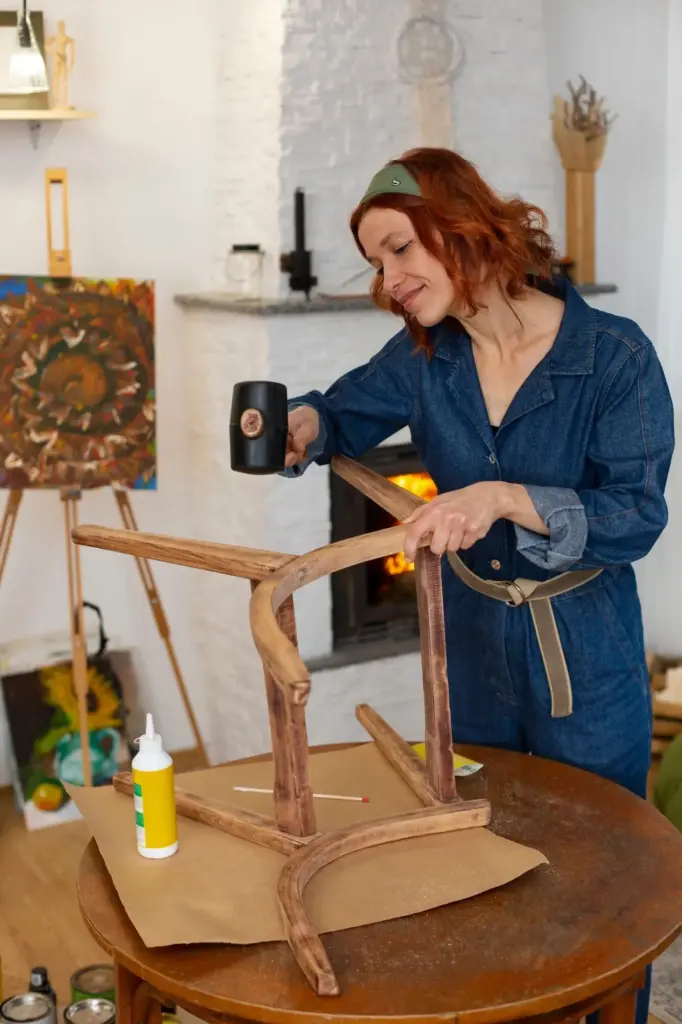
Longevity starts under the fabric. Learn how to read the frame, springs, and joints on rescued seating before investing in new coverings and foam. We’ll walk through wobbles, squeaks, hairline cracks, and hidden rust, plus quick fixes that prevent premature wear. These checks guide smarter material choices, matching strong textiles and supportive cushions to a sound structure, so your upgrade survives roughhousing, movie marathons, and unexpected sleepovers without expensive do-overs. Share your inspection discoveries and ask questions so others can learn from your finds.

Cracking the Code on Tough Fabrics

Abrasion, Pilling, and Snag Resistance Explained

Look for 50,000+ double rubs for active living rooms, and exceed 30,000 for dining chairs. Pilling scores of 4–5 reduce fuzzing after countless slides. Smaller denier yarns in dense weaves limit loops that catch on toys, belts, claws, and the rough seams of jeans.

Fibers That Laugh at Spills and Sun

Solution-dyed acrylic and olefin build color into the polymer, helping resist fading and bleach cleaning, while performance polyester keeps strength when wet. Blends with a hint of nylon boost resilience. Reserve cotton and linen for accents or protected rooms, not kid-tested crash zones.

Weaves and Finishes That Work Hard

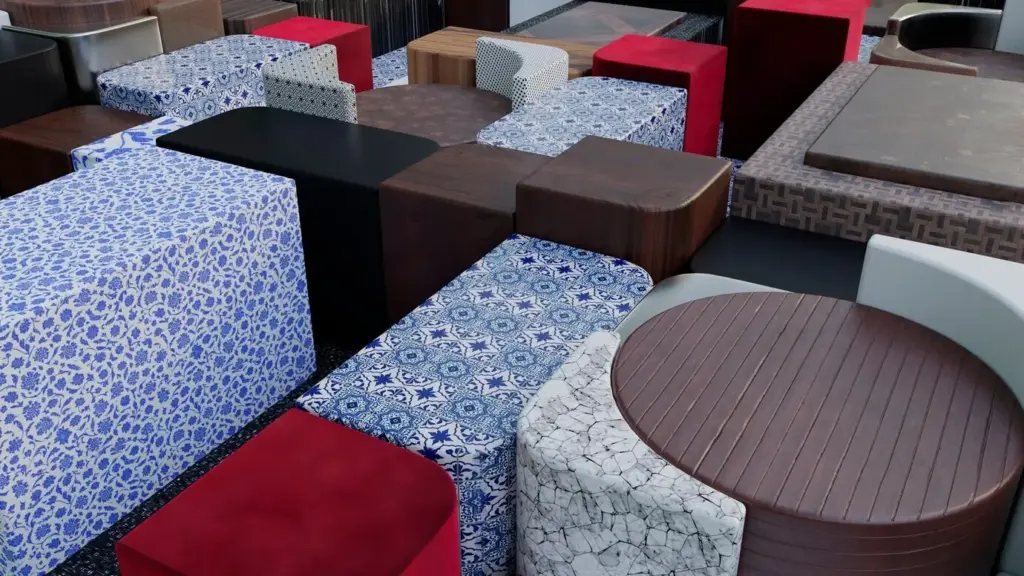
Microfiber suedes hide scratches and vacuum marks, and herringbone or basket weaves distribute wear across more yarns. Liquid-repellent finishes like Crypton-style barriers slow absorption, buying time to blot. Always confirm the finish is breathable enough to stay comfortable during warm, humid marathon sittings.

Real-World Stain Defense Strategies

Busy households guarantee spills. Plan layers of protection: fiber content that resists absorption, finishes that repel liquids, and cleaning codes you can realistically follow on a weeknight. Patterns mask ketchup dots and paw prints better than solids, mid-tones hide dust, and high-performance microfibers release grime with water and mild soap. Pair wise fabric choices with removable covers or zippered cushions to make maintenance routine, quick, and friendly to exhausted end-of-day energy levels. Comment with your toughest stains and what finally worked.

Decoding Density and ILD for Everyday Use

Match density to duty: dining seats thrive at firmer ILD values, while lounging chairs benefit from medium with resilient recovery. Ask suppliers for compression set data and fatigue curves, ensuring bounce-back after thousands of sits, not just showroom tests performed on pristine samples.

Layering to Balance Support and Softness

Build a sandwich: supportive HR core, thin comfort layer, and protective wrap that resists friction against fabric. This combination preserves shape, stops premature wrinkling, and keeps seams from telegraphing. Add a slide sheet where necessary to reduce stress during spirited cushion wrestling matches.

Strategies for Claws, Fur, and Zoomies
Short, dense microfiber or flat wovens snag less under claws than big loops. Choose wider arms animals cannot grip easily, and protect corners with unobtrusive guards. Keep lint rollers near favorite perches, and train pets with scratch posts beside seats they already love.

Low-Emission Choices That Still Perform
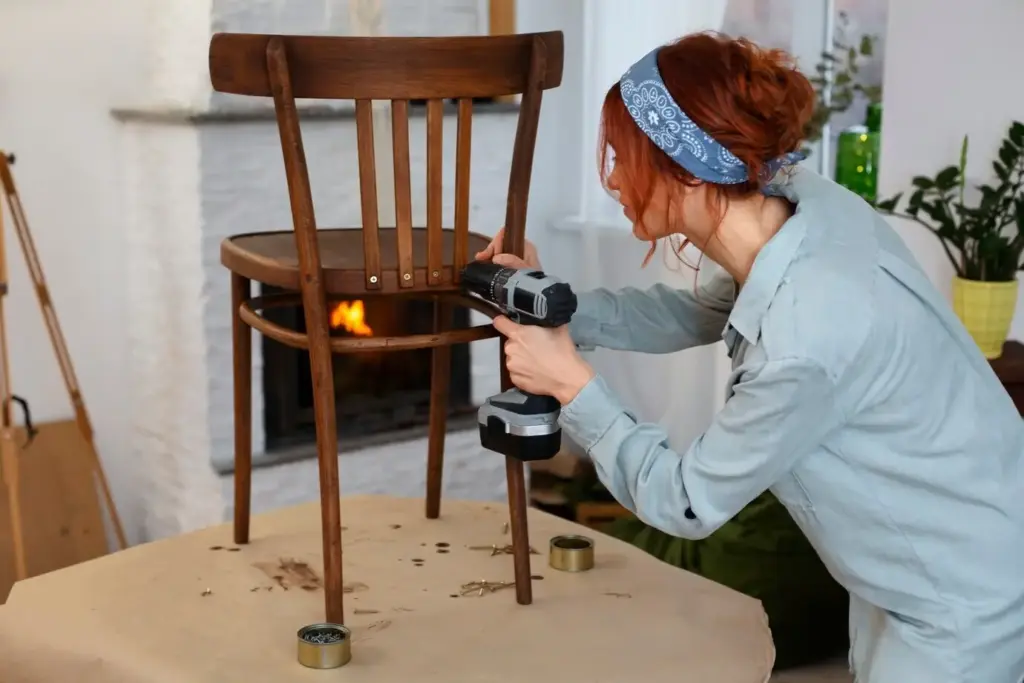
Seek Greenguard Gold textiles or third-party tested coatings that block stains without heavy odors. Water-based adhesives and mechanical fasteners reduce chemical load during rebuilds. Air pieces outdoors, then invite noses to approve indoors, ensuring comfort includes clean air, not headaches or lingering scents.

Washability, Zippers, and Smart Construction
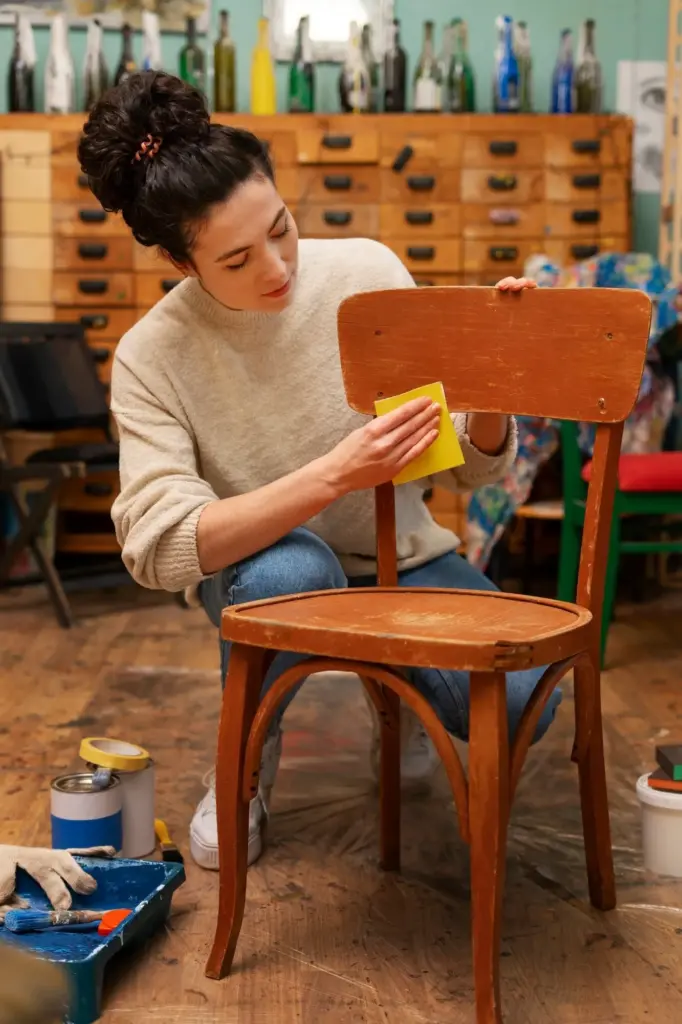
Design for cleaning from day one. Include hidden zippers, preshrink washable fabrics, and color-code liners for quick reassembly. Store spare covers for holiday chaos. When accidents happen, swap, launder, and reinstall before bedtime, preserving routines and preventing deep-set stains that challenge tomorrow-you.

Sourcing on a Budget Without Sacrificing Strength

Great materials don’t have to drain savings. Mill outlets, commercial upholstery suppliers, and automotive foam vendors often sell performance goods at fair prices. Ask for spec sheets, seconds with minor print flaws, or discontinued colorways that still hit durability targets. Compare cost per sit, not just cost per yard, and buy extra for future repairs. Keep a labeled sample ring, tracking hand feel, rub counts, and finishes, so you shop confidently instead of guessing under pressure. Post your deals to help others.

From Curbside Find to Everyday Hero
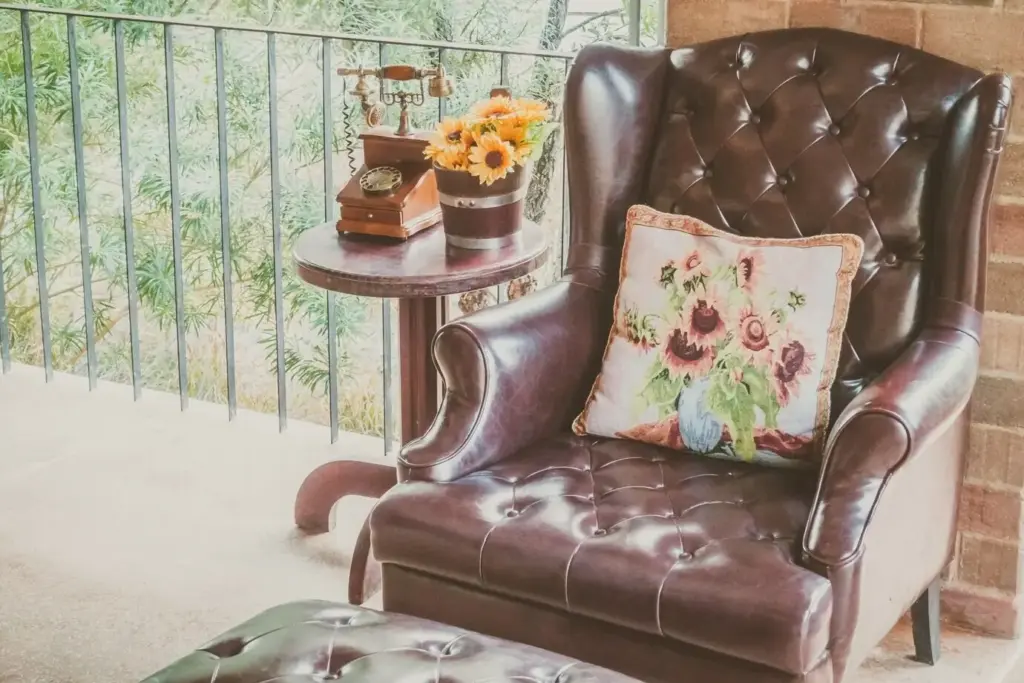
Bring the process together with a realistic plan that respects energy and budgets. Start with inspection and repairs, then pattern carefully, cutting with nap and stretch in mind. Dry-fit foam, test comfort, and adjust layers before stapling. Tackle corners methodically, protect edges with tape while learning, and finish with sliders, felt pads, and a maintenance kit. Finally, invite family feedback, celebrate the win, and share photos or lessons so our community learns alongside you and stays inspired.
Nepotukavomime
Privacy Overview

This website uses cookies so that we can provide you with the best user experience possible. Cookie information is stored in your browser and performs functions such as recognising you when you return to our website and helping our team to understand which sections of the website you find most interesting and useful.